that holds its value.
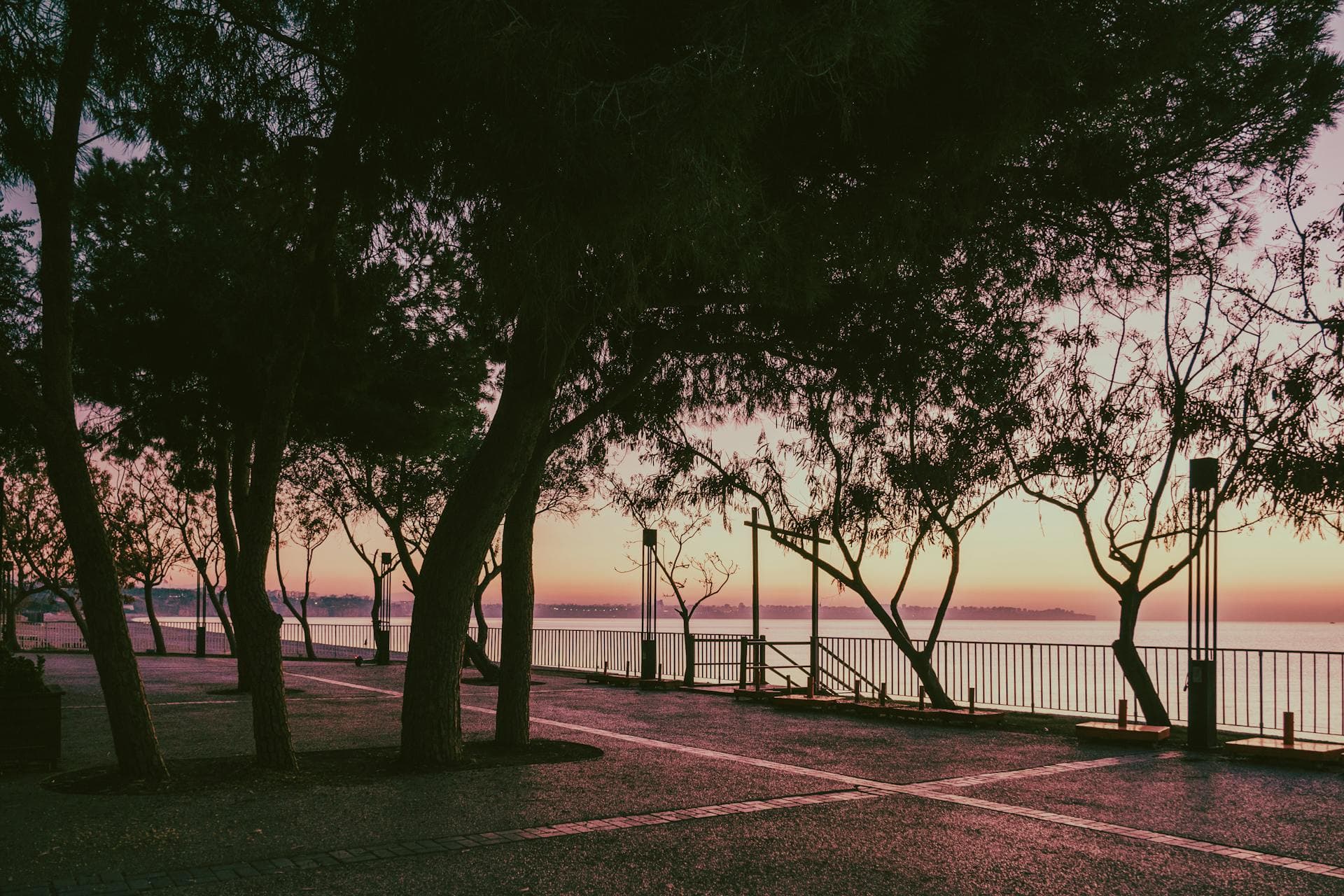
İzmir's broad case for coastal living narrows, on the Çeşme peninsula, into something more specific: scarcity. Strict low-rise zoning and a finite stock of restored stone houses in Alaçatı mean supply cannot chase demand — which is precisely what has made the peninsula one of the best-performing holiday-home markets on the coast. The Çeşme and Alaçatı addresses Turkish buyers prize have held value through every cycle.
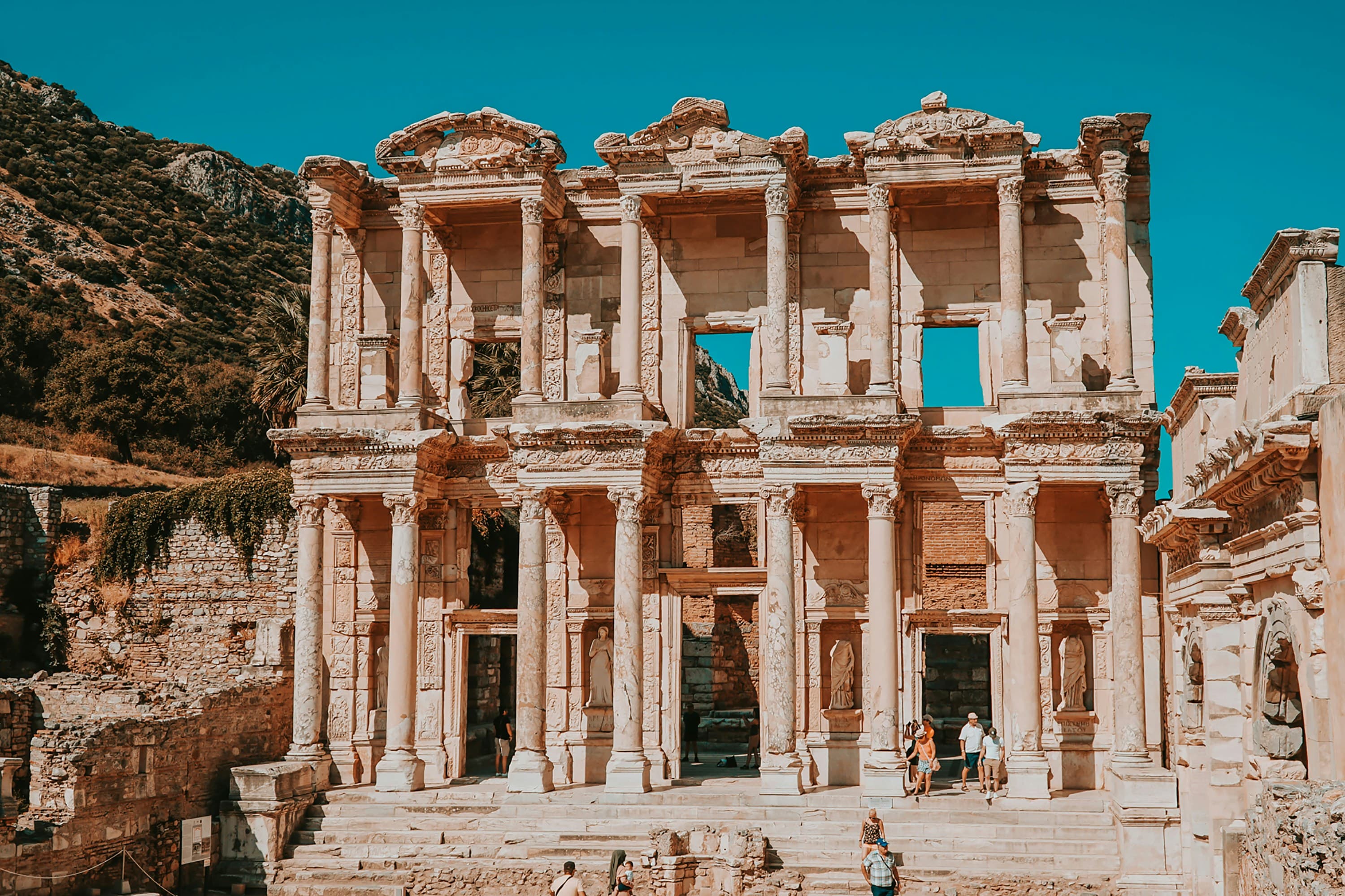
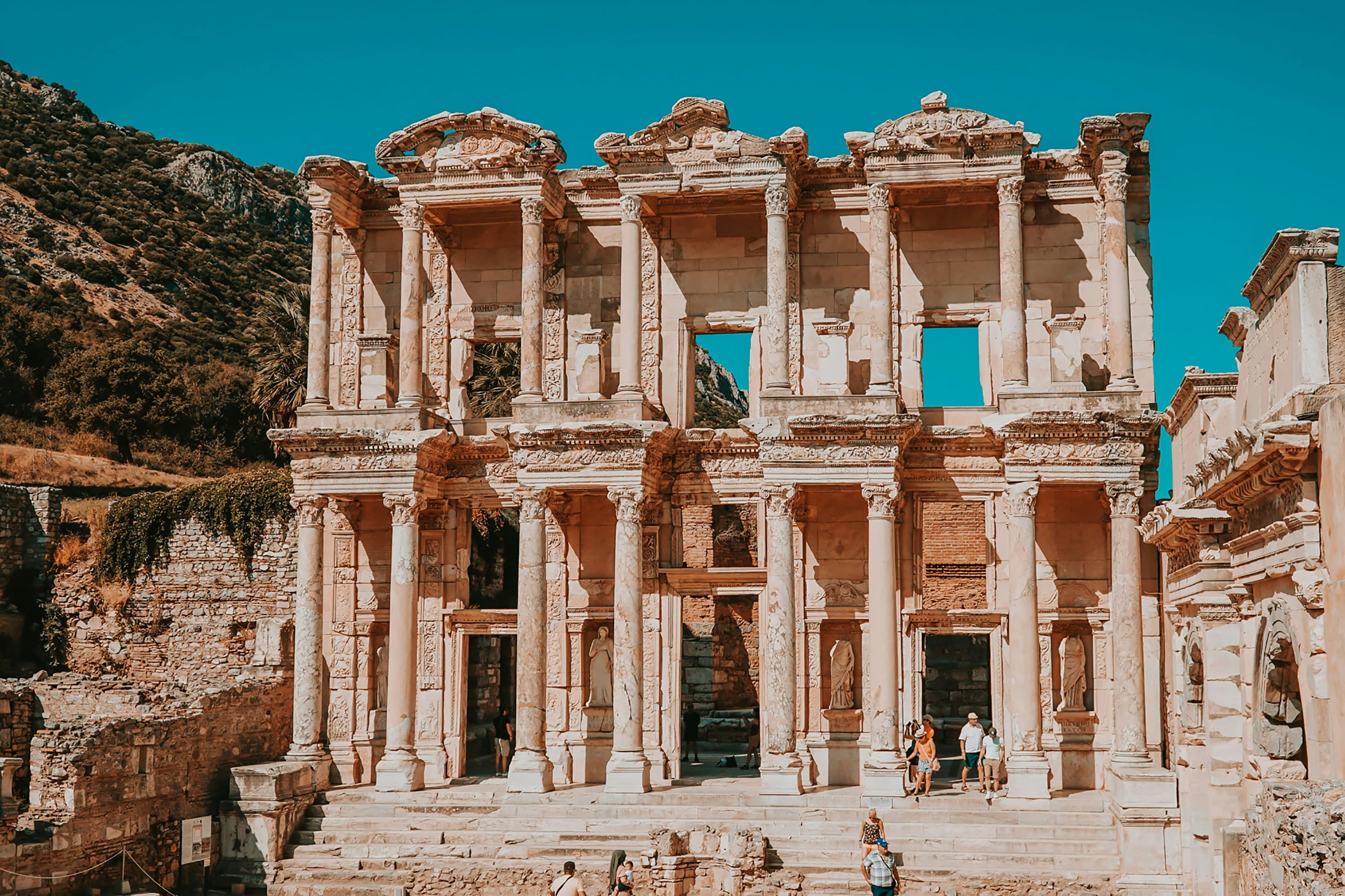
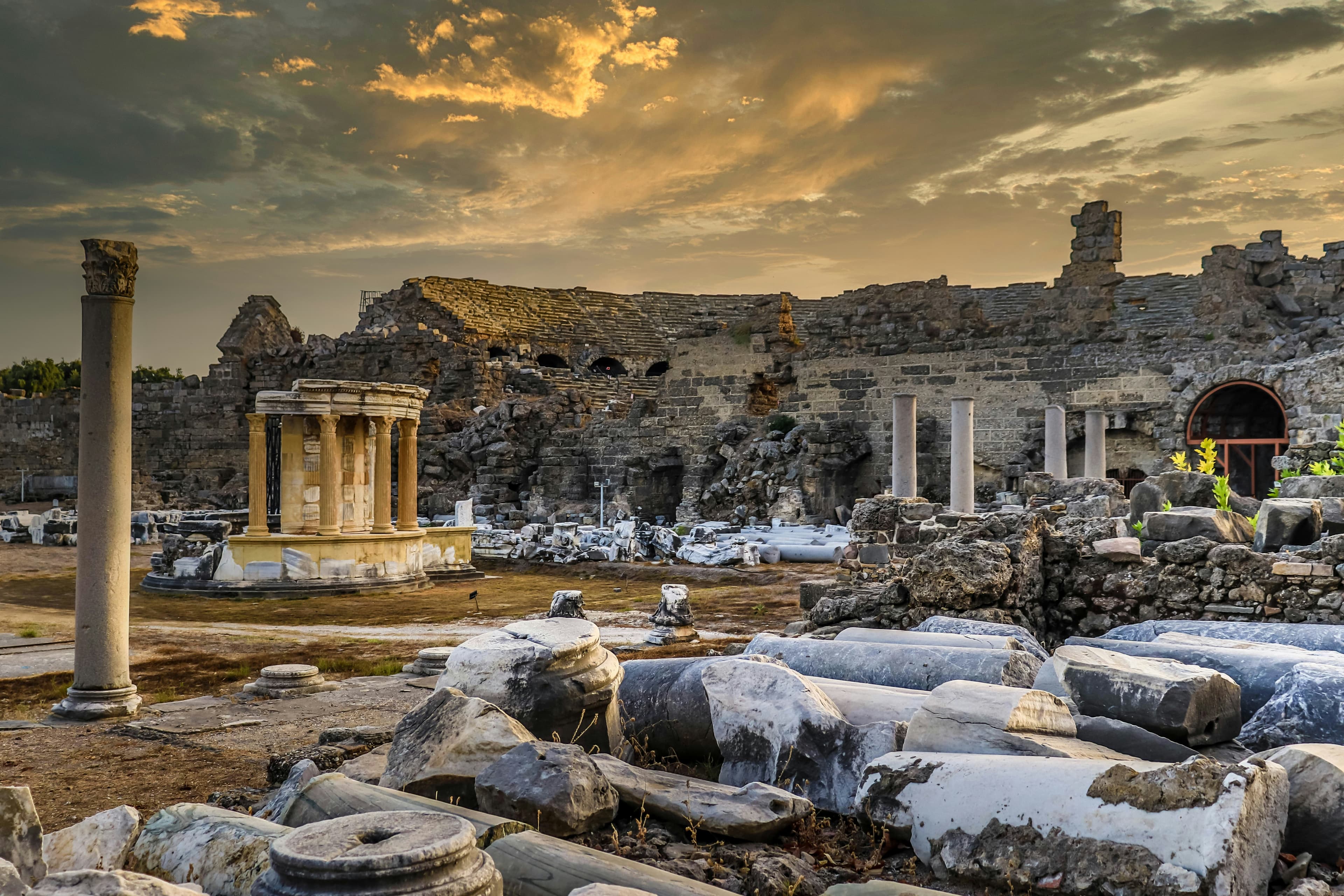
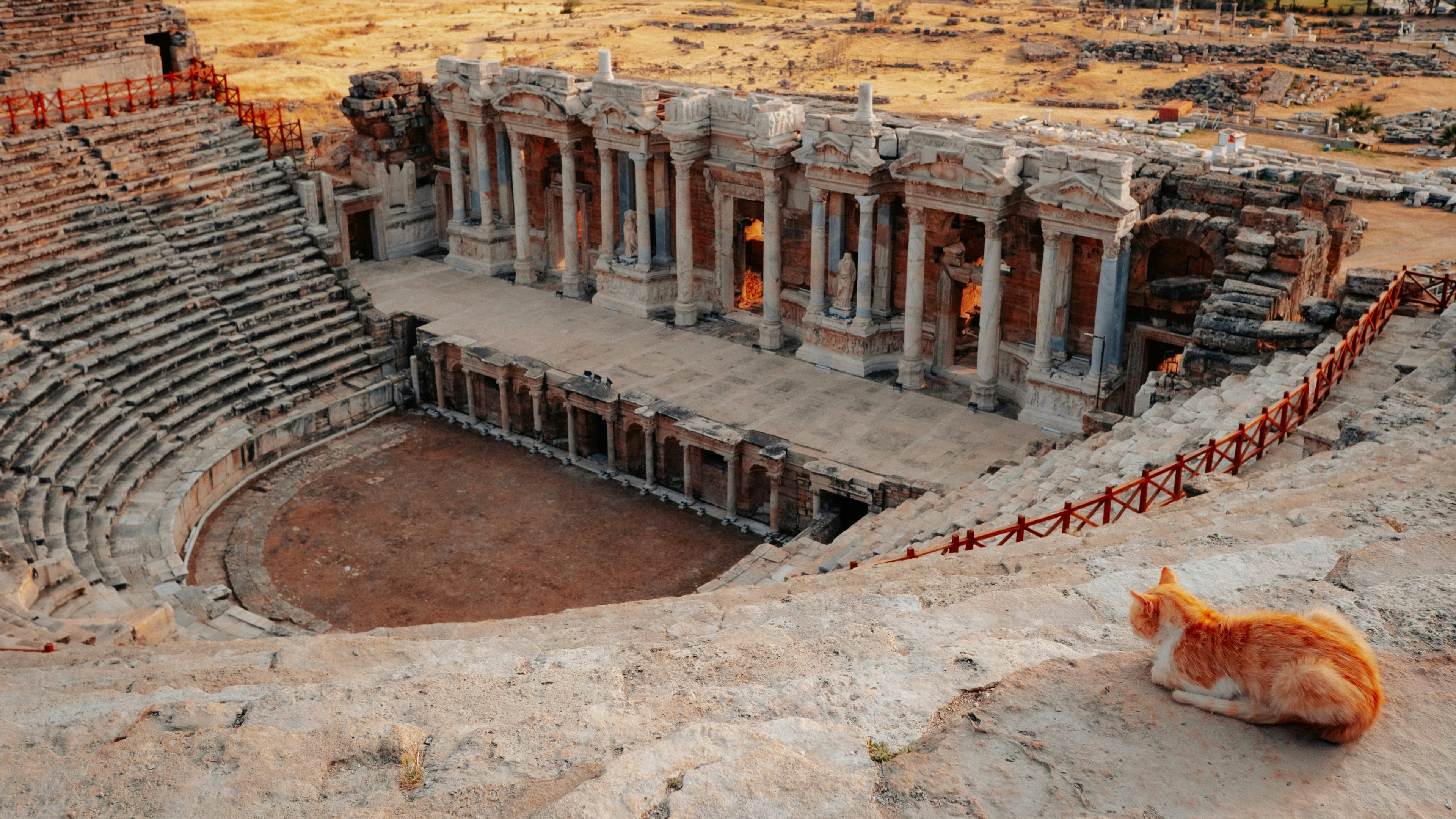
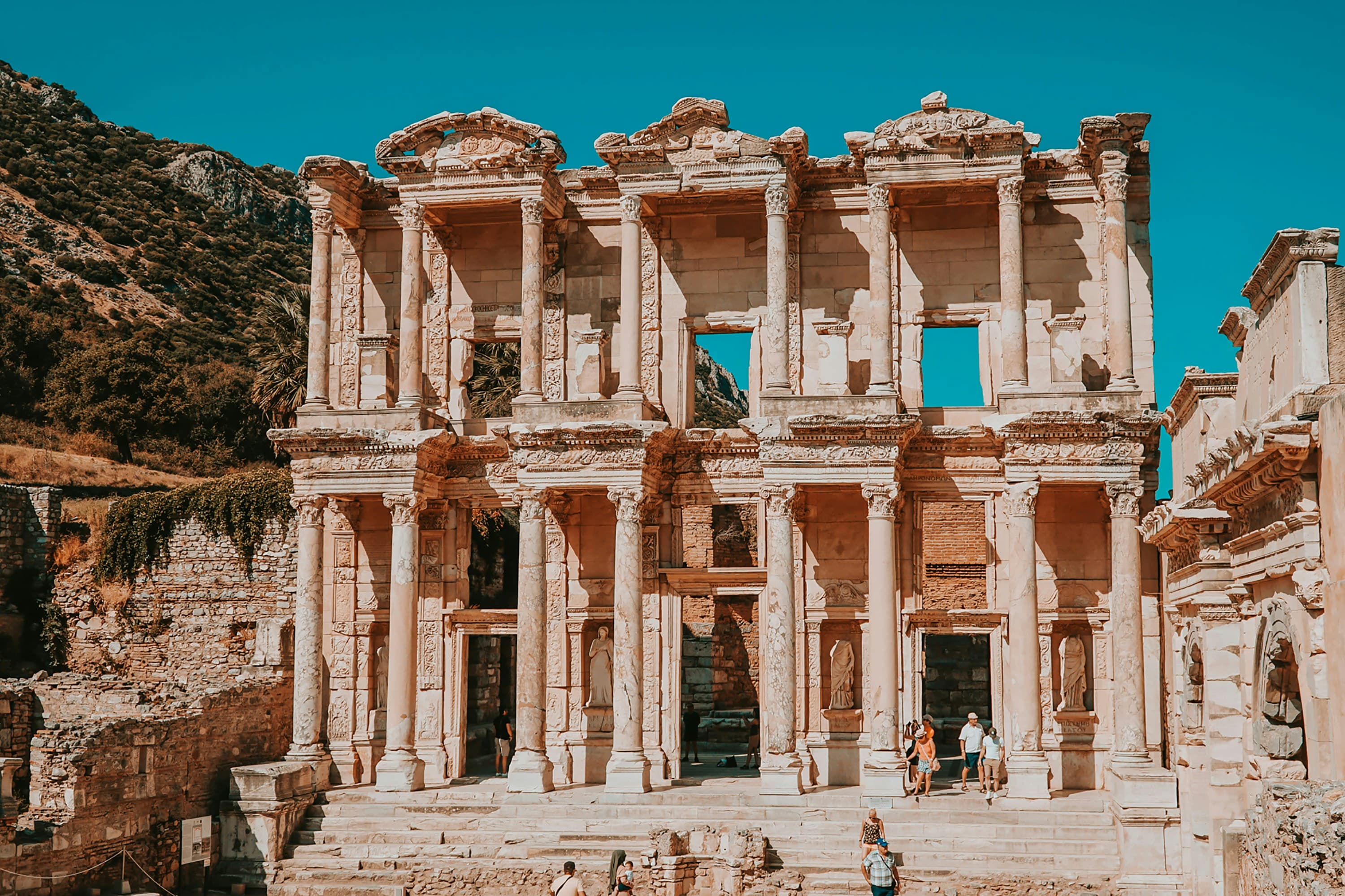
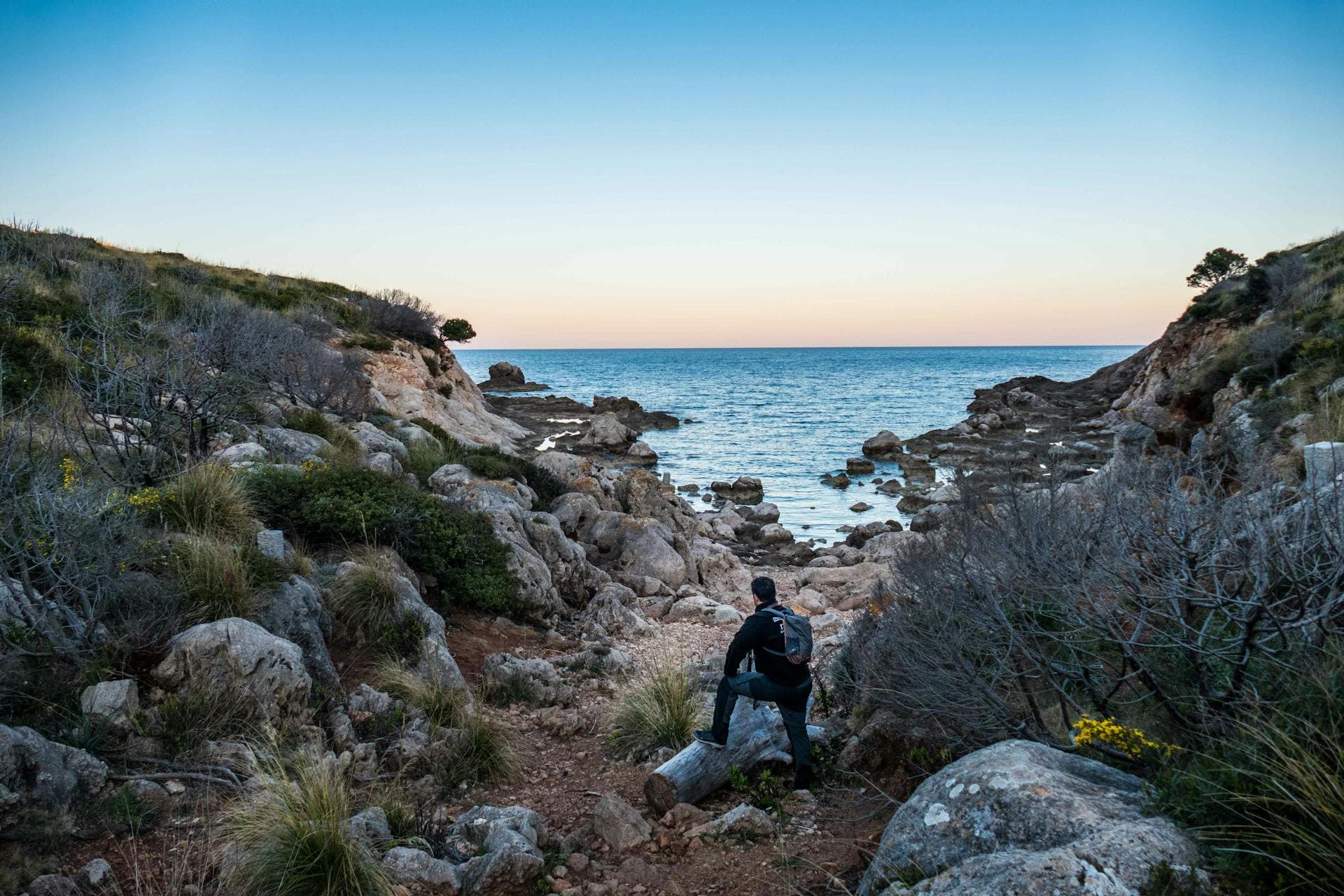
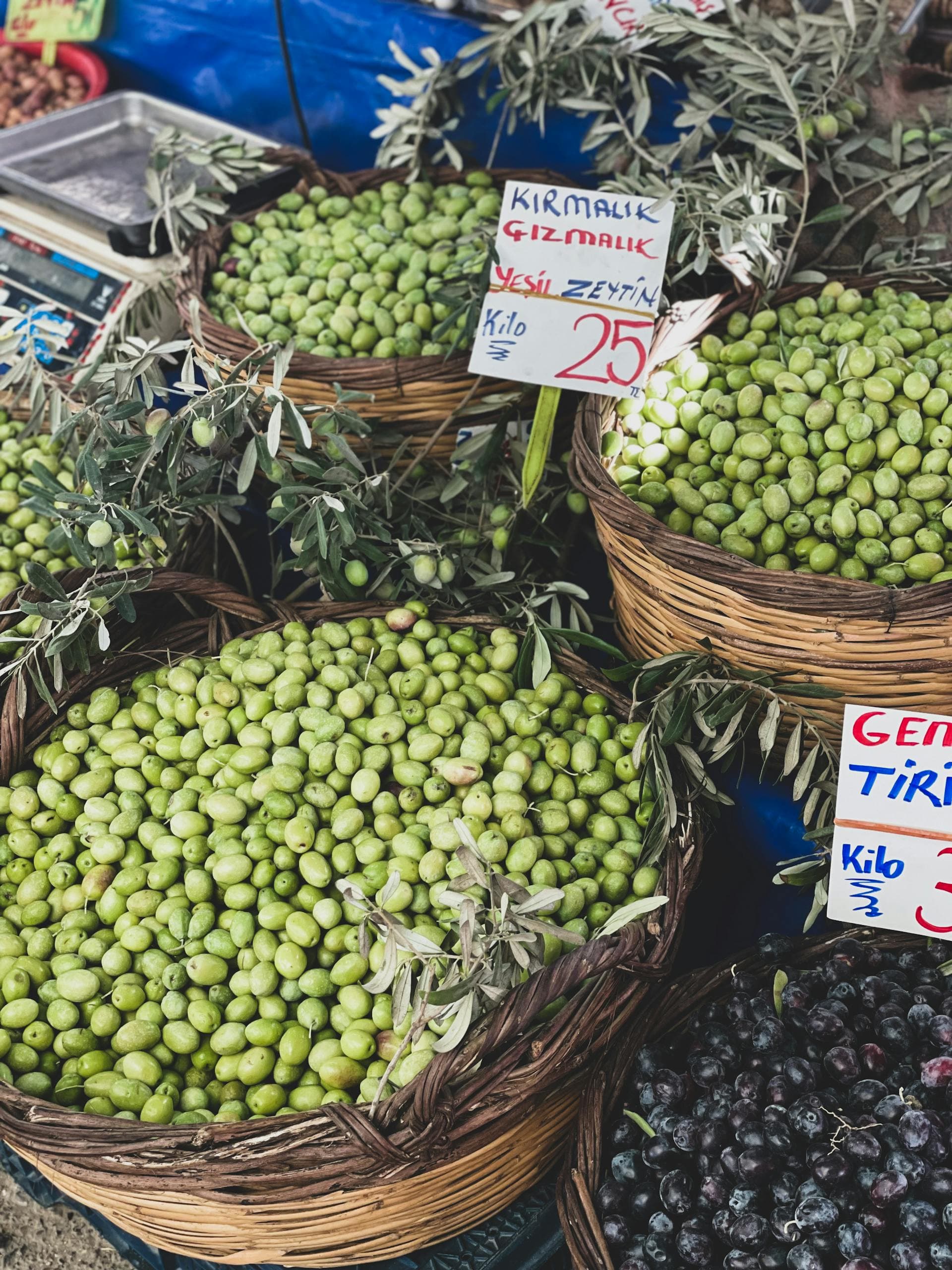
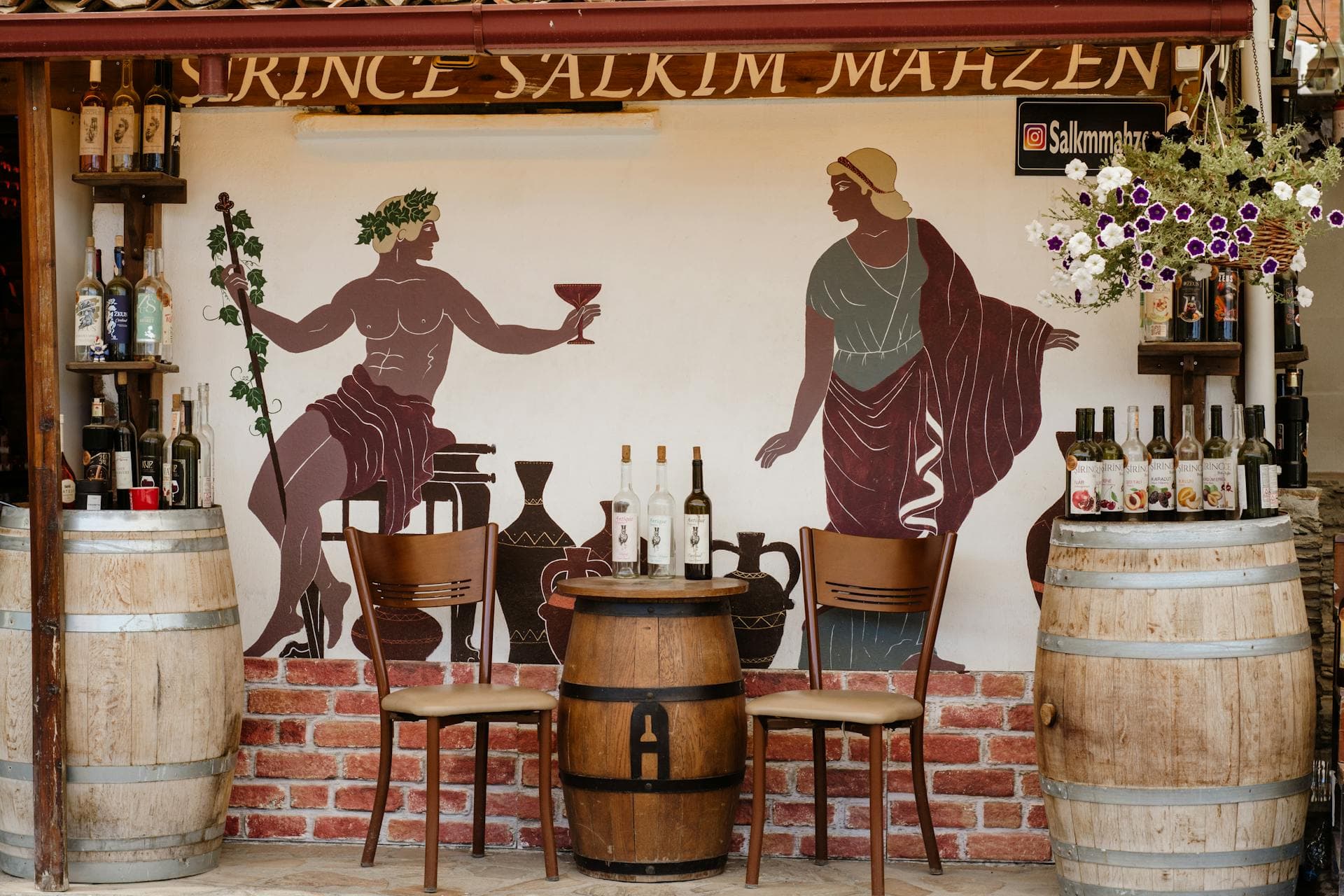
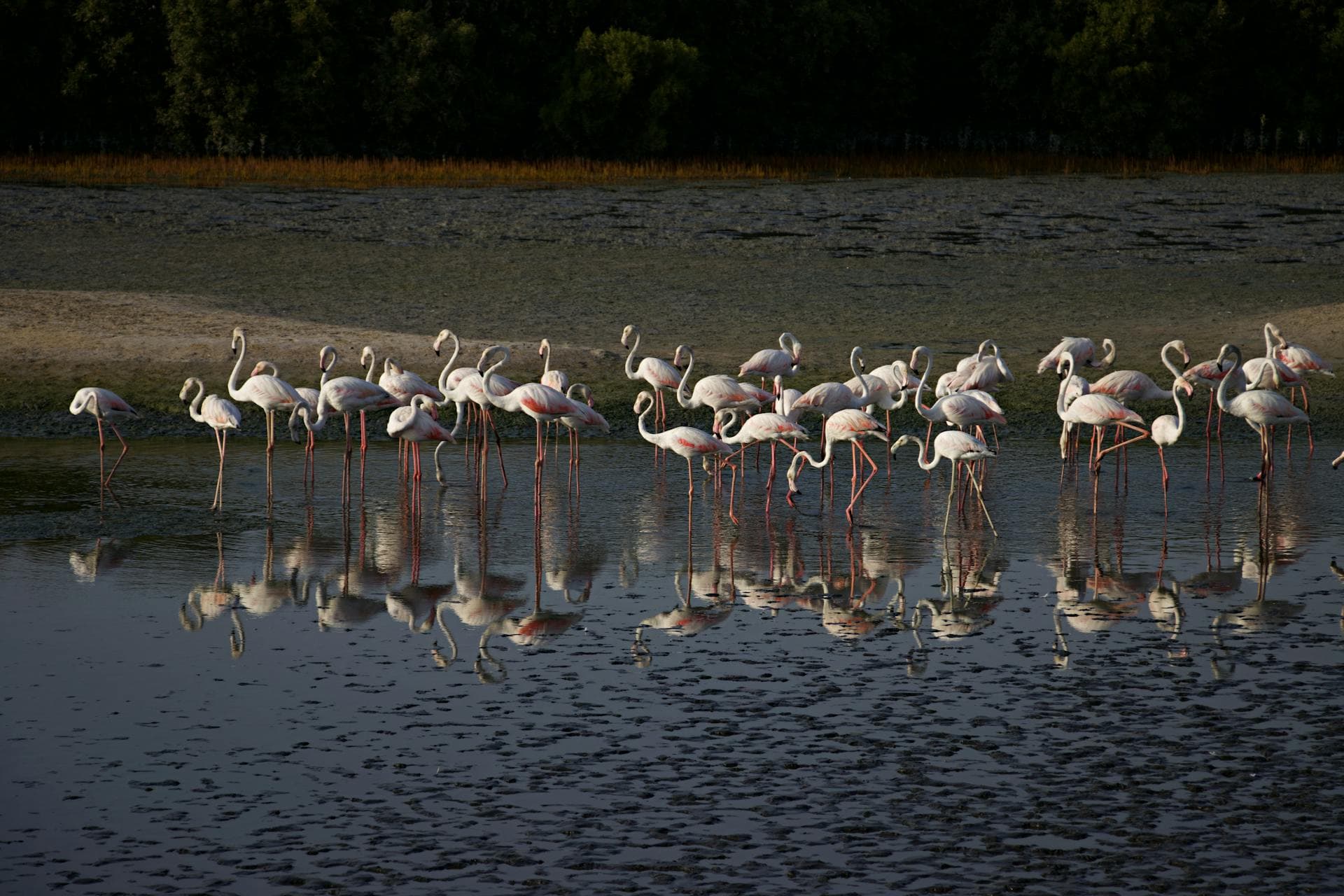
Add to this: a peninsula of vineyards (Urla, Ildırı), a Saturday farmers' market built around Aegean produce, Ionian ruins within an afternoon's walk, Karaburun trekking trails, and 320 days of sun. This is where we send buyers when a holiday home also needs to feel like a life — and to keep its worth between visits.
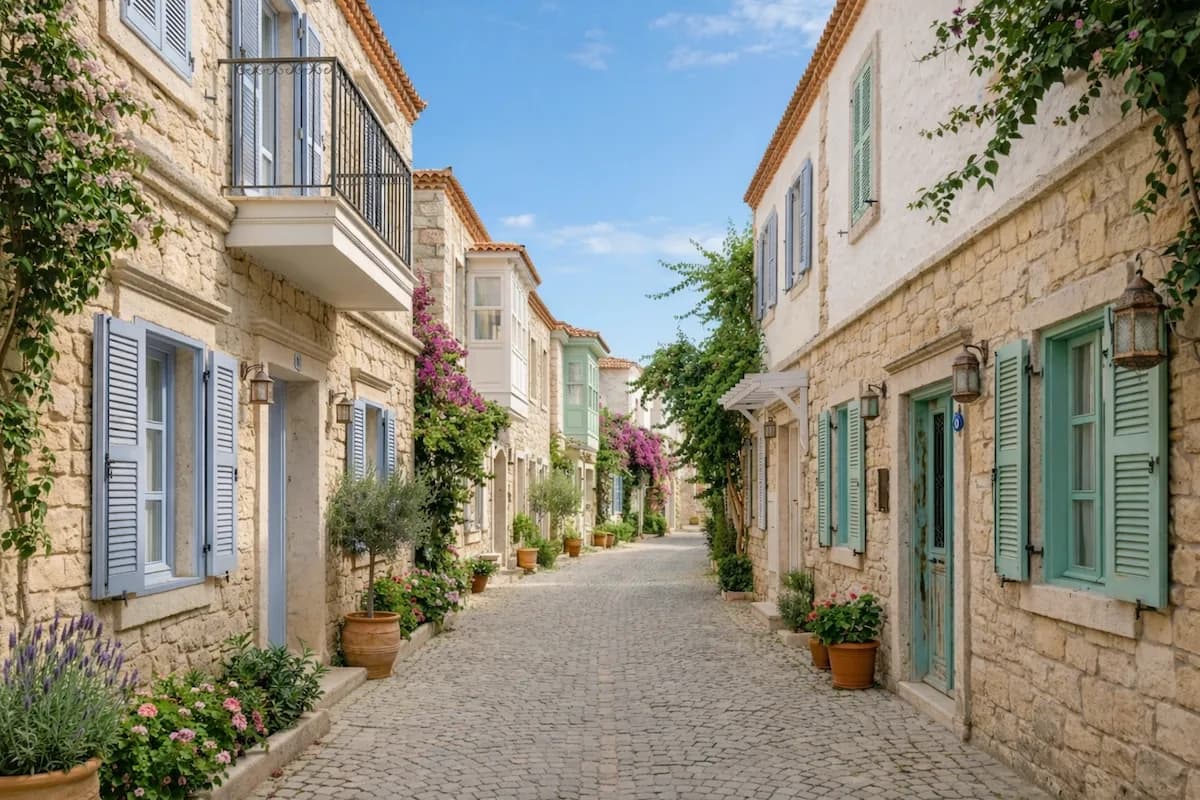
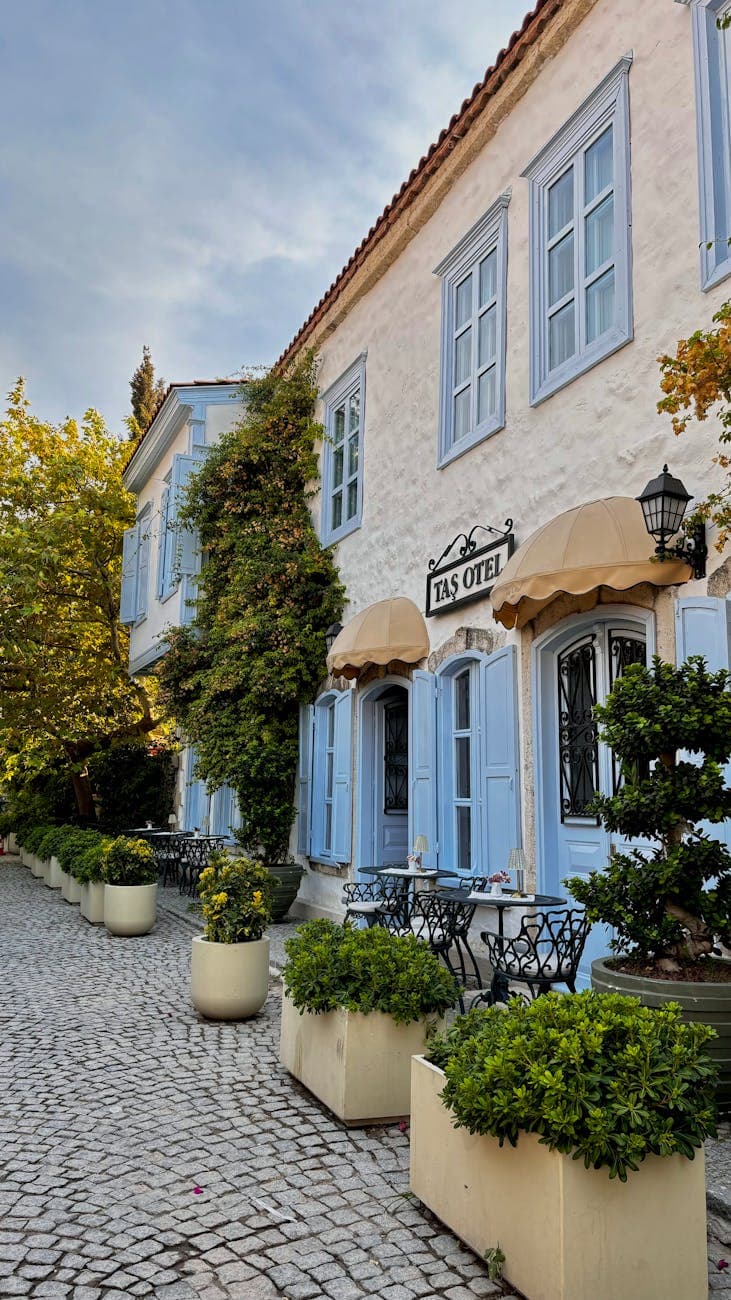
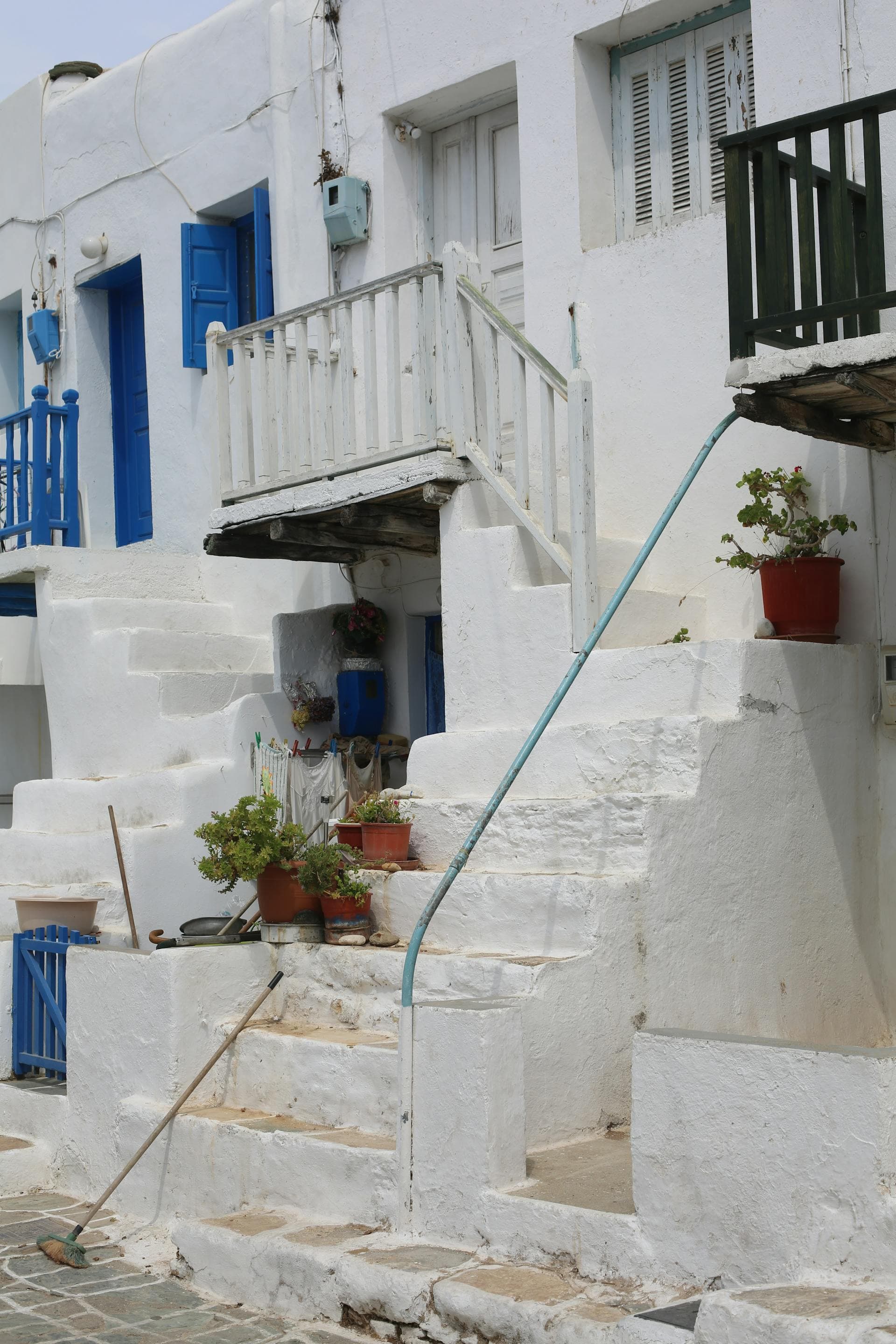
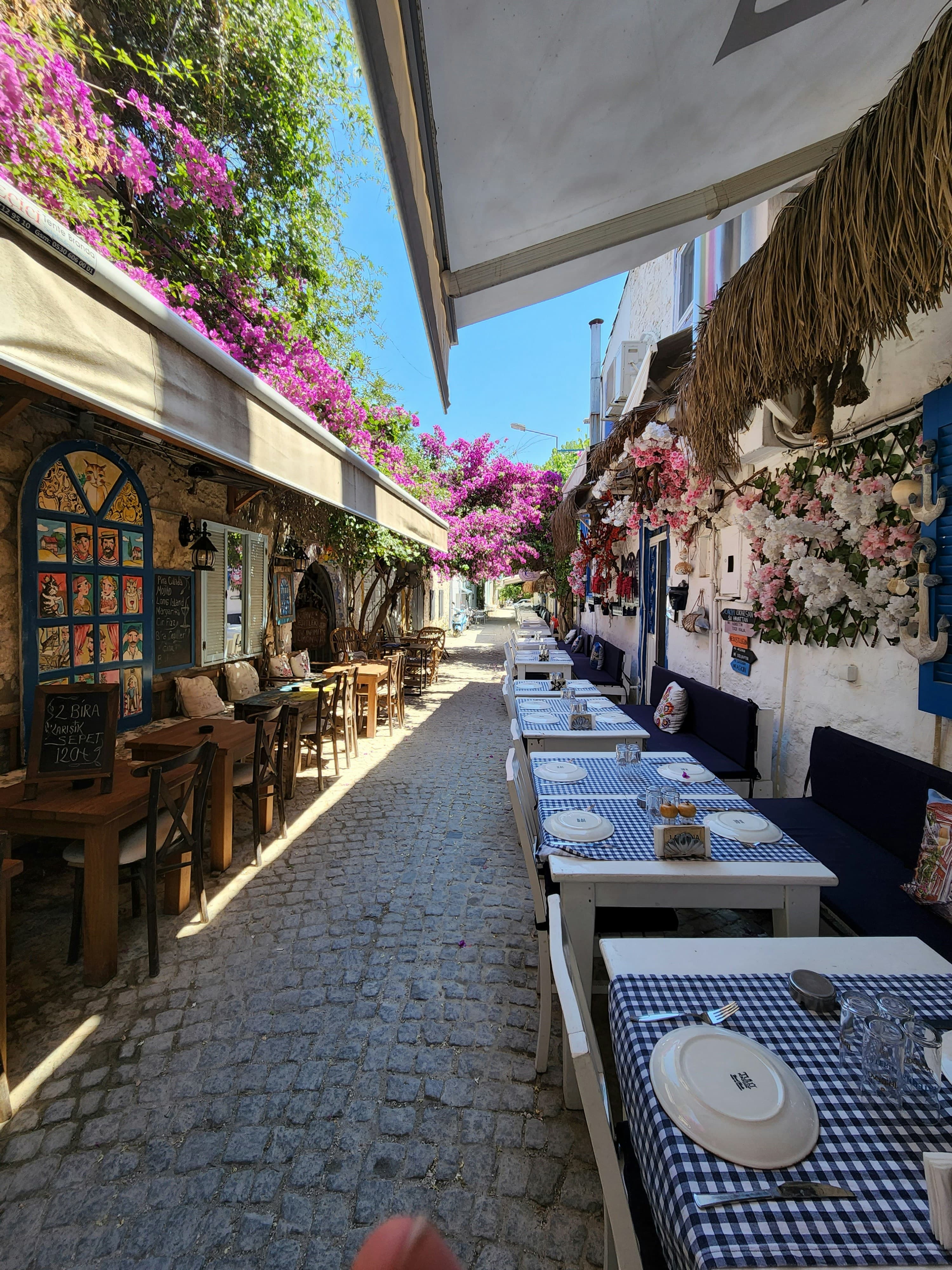
Çeşme is an hour and fifteen minutes from İzmir's airport, and it is somehow another country. The wind arrives from the north in the morning and from the west after lunch; the town leans into it. Stone houses, bleached shutters, bougainvillea that has been trained for forty years, not planted for a season — the kind of fabric that does not get rebuilt cheaply, and does not lose its value.
It is not Bodrum. It is not Mykonos. It has fewer clubs and fewer billboards than either, and the locals who have kept it that way have done so on purpose — with cafés that close at 9pm, vineyards signposted in pencil, and zoning that protects the low-rise skyline. That restraint is exactly what underpins the market: a restored Alaçatı stone house is genuinely scarce.
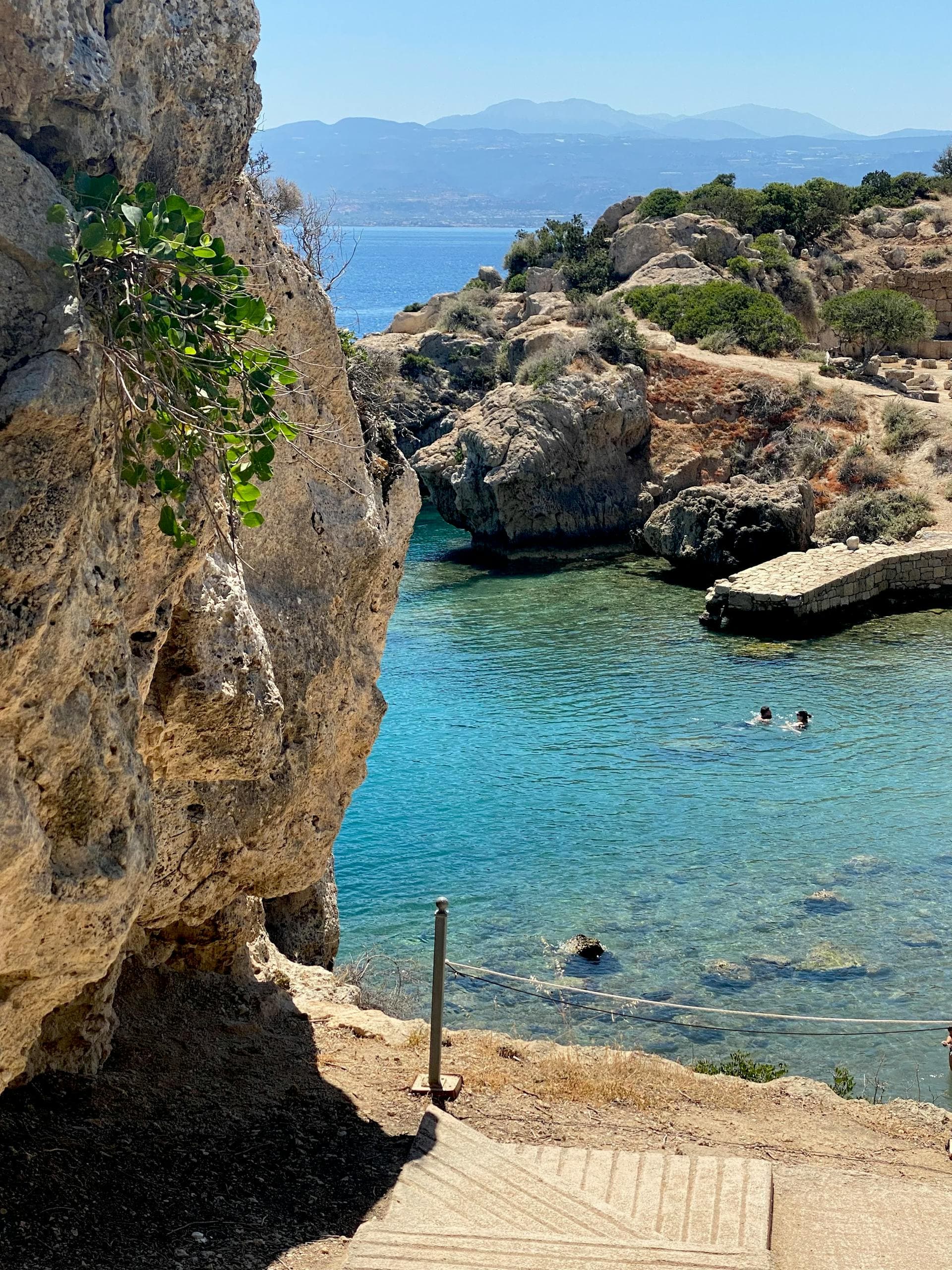
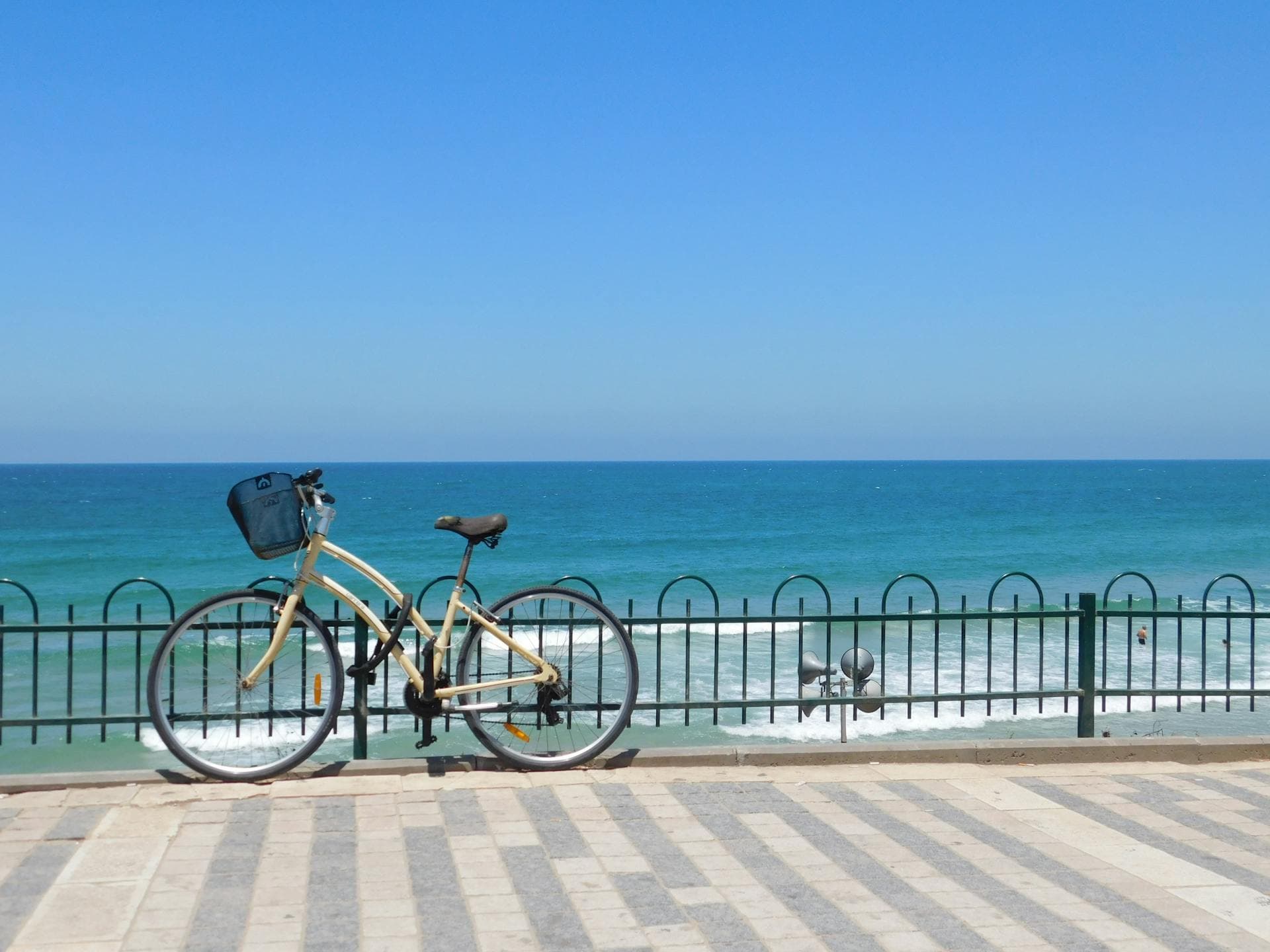
We send buyers here for an Aegean second home that earns its keep — the restored townhouses of Alaçatı, the sea-view apartments of Çeşme and Ilıca, and the quieter villas around Dalyan and Reisdere. The sea is warm from late May until October; the summer rental season is short, intense, and lucrative.
This guide is for buyers already considering an Aegean holiday home — and for those who have time to simply understand the peninsula before they own a piece of it.